


Ultimate Guide to Getting Organized for a Stress-Free Back to School Season

Back to school season can quickly become overwhelming without a clear plan. Between shopping for supplies, managing schedules, and setting up study spaces, it’s easy to feel stressed before classes even start. Getting organized early helps create a calm, focused environment for students and parents alike. This guide offers practical steps to prepare for the school year with less hassle and more confidence.

Create a Master Back to School Checklist
Start by listing everything that needs to be done before school begins. A master checklist keeps tasks visible and manageable. Break it down into categories such as:
School supplies: notebooks, pens, backpacks, calculators
Clothing and uniforms: shoes, jackets, uniforms if required
Health and wellness: doctor’s appointments, vaccinations, eye exams
Schedules and routines: bus routes, after-school activities, meal planning
Use a digital app or a printed planner to track progress. Checking off completed items provides a sense of accomplishment and reduces last-minute scrambling.
Set Up a Dedicated Homework and Study Area
A well-organized space encourages focus and productivity. Choose a quiet corner with good lighting and minimal distractions. Equip it with:
A sturdy desk and comfortable chair
Storage solutions like bins, shelves, or drawer organizers
Essential supplies within reach (pens, paper, calculator)
A calendar or planner for tracking assignments and deadlines
Encourage students to keep this area tidy by spending a few minutes each day putting things away. This habit saves time and frustration when homework time arrives.
Organize School Supplies Efficiently
Instead of buying everything at once, gather supplies gradually to avoid clutter. Sort items by type and purpose. For example:
Use clear containers or labeled bins for art supplies, writing tools, and electronics
Keep frequently used items in a pencil case or desktop organizer
Store backup supplies in a separate box for easy access during the year
Labeling storage helps students find what they need quickly and teaches responsibility for their belongings.
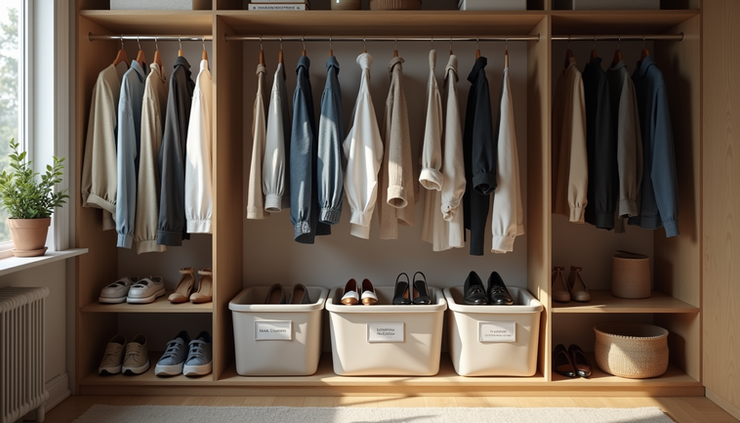
Plan and Prepare Outfits in Advance
Deciding what to wear each morning can add unnecessary stress. Simplify mornings by:
Choosing outfits the night before
Organizing clothes by day or activity (school, sports, casual)
Checking that uniforms or special attire are clean and ready
This routine saves time and helps students feel confident and prepared.
Establish a Consistent Daily Routine
Routines build stability and reduce anxiety. Develop a schedule that includes:
Wake-up and bedtime times
Time for breakfast and getting ready
Homework and study periods
Breaks and physical activity
Screen time limits
Use visual schedules or apps to help younger children understand and follow the routine. Consistency helps the whole family adjust smoothly to the school year rhythm.
Prepare Healthy Meals and Snacks Ahead
Good nutrition supports learning and energy. Plan meals and snacks that are easy to prepare and pack. Tips include:
Batch cooking lunches or snacks on weekends
Keeping a list of quick, healthy options for busy mornings
Using reusable containers to reduce waste
Involving children in meal prep to encourage healthy choices
Having food ready reduces morning stress and ensures students stay fueled throughout the day.
Communicate with Teachers and School Staff
Building a connection with teachers helps stay informed about expectations and upcoming events. Reach out early by:
Attending orientation or meet-the-teacher nights
Signing up for newsletters or school communication apps
Asking about classroom supplies or volunteer opportunities
Clear communication supports student success and helps parents feel involved.
Use Technology to Stay Organized
Digital tools can simplify back to school organization. Consider:
Calendar apps for tracking assignments, tests, and events
Reminder apps for deadlines and appointments
Educational apps that support learning and homework
Shared family calendars to coordinate schedules
Choose tools that fit your family’s style and avoid overwhelming students with too many apps.
Encourage Students to Take Ownership
Teaching students to manage their own organization builds lifelong skills. Encourage them to:
Pack their backpacks the night before
Check their planners daily
Keep track of assignments and materials
Ask for help when needed
Positive habits formed early make transitions smoother and reduce stress for everyone.
Getting organized for back to school takes effort but pays off with a calmer, more productive start to the year. By creating checklists, setting up dedicated spaces, planning routines, and involving students, families can reduce stress and build confidence. Start early, stay consistent, and watch the school season unfold with less chaos and more success. Take the first step today by making your master checklist and setting up a study area that invites focus and learning.
All My Best,
Vinnie The Organized Guy


Comments